VerifyNow Guide
Practical document guidance
Umalusi Verification
Umalusi Verification
Umalusi Verification
Planning to work, study, or teach abroad? Many foreign employers, universities, and government authorities require South African educational documents to be verified before they can be accepted internationally. Learn what Umalusi verification is, when it may be required, and how it fits into the authentication process for overseas use.
Planning to work, study, or teach abroad? Many foreign employers, universities, and government authorities require South African educational documents to be verified before they can be accepted internationally. Learn what Umalusi verification is, when it may be required, and how it fits into the authentication process for overseas use.
Planning to work, study, or teach abroad? Many foreign employers, universities, and government authorities require South African educational documents to be verified before they can be accepted internationally. Learn what Umalusi verification is, when it may be required, and how it fits into the authentication process for overseas use.
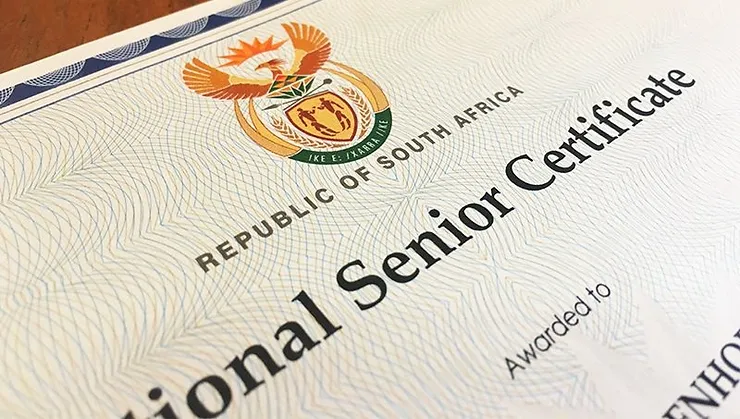
Using Your South African Qualifications Overseas: When Umalusi Verification May Be Required
For many South Africans, an international opportunity begins with a qualification.
A teaching position in China.
A university admission in Europe.
A work permit application in the Middle East.
A professional registration process overseas.
While receiving the opportunity is exciting, many applicants are surprised to learn that their qualifications may need to be verified before they can be accepted internationally.
One of the organisations commonly involved in this process is Umalusi.
Understanding what Umalusi verification is and when it may be required can help you avoid delays and prepare your documents correctly.
What Is Umalusi?
Umalusi is South Africa's Quality Council responsible for quality assurance in general and further education and training.
Among its responsibilities is verifying certain educational qualifications and certificates issued within South Africa.
For international purposes, Umalusi verification helps confirm that educational documents are authentic and were issued by recognised institutions or examination bodies.
This additional level of verification provides confidence to foreign employers, universities, immigration authorities, and professional bodies.
Why Might Your Qualifications Need Verification?
Foreign authorities cannot automatically verify educational documents issued in another country.
As a result, they often require confirmation that the qualification is genuine before accepting it for official purposes.
Verification helps protect against:
Fraudulent qualifications
Altered certificates
Unrecognised institutions
Invalid educational records
For legitimate applicants, verification simply provides an official confirmation that the qualification is authentic.
When Is Umalusi Verification Commonly Required?
Requirements vary depending on the destination country and the purpose of the application.
Verification may be requested for:
Employment Abroad
Many employers require verified qualifications before issuing employment contracts.
This is particularly common in:
Teaching positions
Government-related roles
Regulated professions
International recruitment programmes
Visa and Work Permit Applications
Some immigration authorities require educational documents to be verified as part of the visa process.
University Applications
Institutions may request verification when assessing qualifications obtained outside their country.
Professional Registration
Certain professions require qualifications to be verified before registration can be approved.
Which Documents May Require Verification?
Common educational documents include:
Matric certificates
National Senior Certificates
Diplomas
Degree certificates
Academic records
Certain vocational qualifications
The exact requirements depend on the organisation requesting the documents.
Is Verification the Same as an Apostille?
No.
This is one of the most common misunderstandings.
Verification and apostilles serve different purposes.
Verification confirms that the educational document itself is authentic.
An apostille authenticates the official signatures and stamps associated with a document for international use.
In many cases, both processes may be required.
For example, a qualification may first need to be verified before it can proceed to the apostille stage.
The correct process depends on the document and the requirements of the destination country.
Why Do Applicants Experience Delays?
Many people only discover verification requirements after they have already accepted a job offer or started a visa application.
Common challenges include:
Tight deadlines
Uncertainty regarding requirements
International courier logistics
Multiple authentication steps
Confusion between verification and apostille requirements
When applications are time-sensitive, even small delays can become stressful.
A Checklist Before Submitting Educational Documents Overseas
Before submitting your qualifications internationally, consider confirming:
✓ Whether verification is required
✓ Which qualifications must be verified
✓ Whether an apostille is also needed
✓ Whether certified copies are acceptable
✓ Whether translations are required
✓ The submission deadlines involved
Clarifying these requirements early can prevent unnecessary delays later.
How VerifyNow Helps
At VerifyNow, we assist South Africans worldwide with educational document verification, apostille services, document legalisation, and related authentication requirements.
Whether you are applying for a teaching position overseas, pursuing further studies, seeking professional registration, or preparing a visa application, we help ensure your educational documents are processed correctly and efficiently.
Our goal is to simplify the process so you can focus on the opportunity ahead.
Final Thoughts
Your qualifications can open doors around the world, but international opportunities often come with documentation requirements that are unfamiliar to many applicants.
Understanding the role of Umalusi verification and confirming the requirements early can help prevent delays and keep your application moving forward.
If you're planning to use South African qualifications abroad, preparation today can save significant time and stress tomorrow.
Using Your South African Qualifications Overseas: When Umalusi Verification May Be Required
For many South Africans, an international opportunity begins with a qualification.
A teaching position in China.
A university admission in Europe.
A work permit application in the Middle East.
A professional registration process overseas.
While receiving the opportunity is exciting, many applicants are surprised to learn that their qualifications may need to be verified before they can be accepted internationally.
One of the organisations commonly involved in this process is Umalusi.
Understanding what Umalusi verification is and when it may be required can help you avoid delays and prepare your documents correctly.
What Is Umalusi?
Umalusi is South Africa's Quality Council responsible for quality assurance in general and further education and training.
Among its responsibilities is verifying certain educational qualifications and certificates issued within South Africa.
For international purposes, Umalusi verification helps confirm that educational documents are authentic and were issued by recognised institutions or examination bodies.
This additional level of verification provides confidence to foreign employers, universities, immigration authorities, and professional bodies.
Why Might Your Qualifications Need Verification?
Foreign authorities cannot automatically verify educational documents issued in another country.
As a result, they often require confirmation that the qualification is genuine before accepting it for official purposes.
Verification helps protect against:
Fraudulent qualifications
Altered certificates
Unrecognised institutions
Invalid educational records
For legitimate applicants, verification simply provides an official confirmation that the qualification is authentic.
When Is Umalusi Verification Commonly Required?
Requirements vary depending on the destination country and the purpose of the application.
Verification may be requested for:
Employment Abroad
Many employers require verified qualifications before issuing employment contracts.
This is particularly common in:
Teaching positions
Government-related roles
Regulated professions
International recruitment programmes
Visa and Work Permit Applications
Some immigration authorities require educational documents to be verified as part of the visa process.
University Applications
Institutions may request verification when assessing qualifications obtained outside their country.
Professional Registration
Certain professions require qualifications to be verified before registration can be approved.
Which Documents May Require Verification?
Common educational documents include:
Matric certificates
National Senior Certificates
Diplomas
Degree certificates
Academic records
Certain vocational qualifications
The exact requirements depend on the organisation requesting the documents.
Is Verification the Same as an Apostille?
No.
This is one of the most common misunderstandings.
Verification and apostilles serve different purposes.
Verification confirms that the educational document itself is authentic.
An apostille authenticates the official signatures and stamps associated with a document for international use.
In many cases, both processes may be required.
For example, a qualification may first need to be verified before it can proceed to the apostille stage.
The correct process depends on the document and the requirements of the destination country.
Why Do Applicants Experience Delays?
Many people only discover verification requirements after they have already accepted a job offer or started a visa application.
Common challenges include:
Tight deadlines
Uncertainty regarding requirements
International courier logistics
Multiple authentication steps
Confusion between verification and apostille requirements
When applications are time-sensitive, even small delays can become stressful.
A Checklist Before Submitting Educational Documents Overseas
Before submitting your qualifications internationally, consider confirming:
✓ Whether verification is required
✓ Which qualifications must be verified
✓ Whether an apostille is also needed
✓ Whether certified copies are acceptable
✓ Whether translations are required
✓ The submission deadlines involved
Clarifying these requirements early can prevent unnecessary delays later.
How VerifyNow Helps
At VerifyNow, we assist South Africans worldwide with educational document verification, apostille services, document legalisation, and related authentication requirements.
Whether you are applying for a teaching position overseas, pursuing further studies, seeking professional registration, or preparing a visa application, we help ensure your educational documents are processed correctly and efficiently.
Our goal is to simplify the process so you can focus on the opportunity ahead.
Final Thoughts
Your qualifications can open doors around the world, but international opportunities often come with documentation requirements that are unfamiliar to many applicants.
Understanding the role of Umalusi verification and confirming the requirements early can help prevent delays and keep your application moving forward.
If you're planning to use South African qualifications abroad, preparation today can save significant time and stress tomorrow.
Need this handled correctly?
Speak to VerifyNow about document verification, apostilles, and overseas-use requirements.
Get in touch
Get in touch