VerifyNow Guide
Practical document guidance
Apostille Do's and Don'ts
Apostille Do's and Don'ts
Apostille Do's and Don'ts
A single mistake can delay your visa application, job offer, residency permit, or immigration process. Learn the most common apostille mistakes South Africans make when preparing documents for overseas use and how to avoid costly delays.
A single mistake can delay your visa application, job offer, residency permit, or immigration process. Learn the most common apostille mistakes South Africans make when preparing documents for overseas use and how to avoid costly delays.
A single mistake can delay your visa application, job offer, residency permit, or immigration process. Learn the most common apostille mistakes South Africans make when preparing documents for overseas use and how to avoid costly delays.
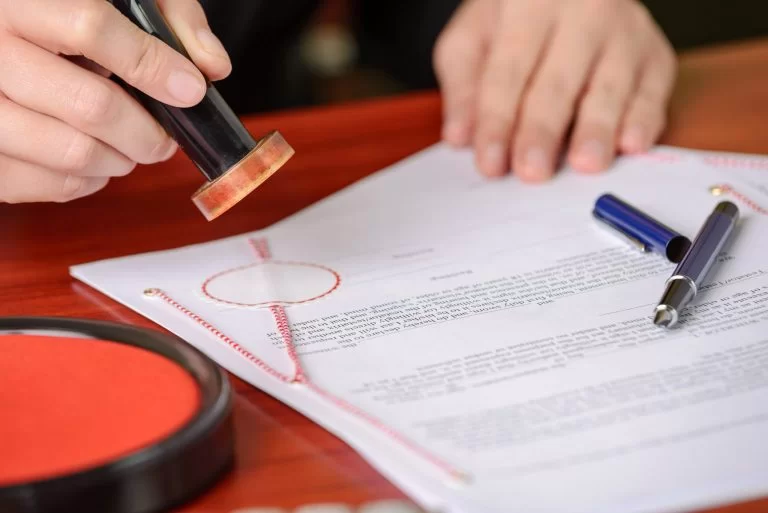
7 Common Apostille Mistakes South Africans Make (And How to Avoid Them)
For many South Africans living abroad, obtaining an apostille is something they only encounter when a foreign authority suddenly requests one.
A new job offer arrives.
A visa renewal is due.
A residency application is underway.
A marriage abroad is being planned.
Then comes the request:
"Please provide an apostilled document."
What appears to be a simple administrative requirement can quickly become stressful when deadlines are involved.
Over the years, certain mistakes appear again and again. Understanding them can help you avoid unnecessary delays, rejected applications, and additional costs.
Mistake #1: Waiting Until the Last Minute
This is by far the most common mistake.
Many people assume obtaining an apostille is a same-day process.
In reality, the timeline can depend on:
The type of document
Whether the document first needs to be obtained
Government processing times
Legalisation requirements
International courier delivery
The closer you get to a visa expiry date or application deadline, the fewer options you have available.
What To Do Instead
Start preparing your documentation as soon as you become aware of a requirement.
Even if your application is months away, early preparation provides flexibility and peace of mind.
Mistake #2: Using the Wrong Document
Not every version of a document will necessarily satisfy a foreign authority.
For example:
An authority may request an Unabridged Birth Certificate rather than a standard birth certificate.
A university may require original qualification documents.
An immigration office may require a specific version of a marriage certificate.
Submitting the wrong document can result in rejection and additional delays.
What To Do Instead
Always confirm exactly which document is required before starting the apostille process.
Mistake #3: Assuming Every Country Has the Same Requirements
Documentation requirements vary significantly between countries.
What works for a visa application in one country may not be accepted in another.
Different countries may require:
Apostilles
Legalisation
Certified copies
Sworn translations
Additional embassy authentication
What To Do Instead
Verify the requirements with the relevant authority in the destination country before proceeding.
Mistake #4: Forgetting About Supporting Documents
Sometimes the apostilled document itself is not the only requirement.
Authorities may request:
Passport copies
Identity documents
Marriage certificates
Birth certificates
Police Clearance Certificates
Applicants often focus on one document while overlooking others.
What To Do Instead
Review the complete application checklist before beginning the process.
Mistake #5: Not Checking Document Validity Periods
Certain documents have practical validity periods even if they do not technically expire.
Police Clearance Certificates are a good example.
Some immigration authorities will only accept certificates issued within a specific timeframe.
What To Do Instead
Confirm how recently the document must have been issued before obtaining it.
Mistake #6: Assuming Apostille and Legalisation Are the Same Thing
This is one of the biggest sources of confusion.
Many people use the terms interchangeably.
However, depending on the destination country, an apostille alone may not be sufficient.
Some countries require additional legalisation through their embassy or consulate.
What To Do Instead
Determine whether your destination country requires:
Apostille only
Legalisation only
Apostille plus additional legalisation
The correct process depends entirely on where the document will be used.
Mistake #7: Trying to Solve an Urgent Problem Alone
When deadlines are approaching, many people spend valuable time trying to navigate unfamiliar government procedures from abroad.
This often results in:
Confusion
Delays
Incorrect submissions
Missed requirements
For South Africans living overseas, coordinating documentation from another country can be particularly challenging.
What To Do Instead
Seek guidance early if you are unsure about the process or requirements.
A clear understanding of the correct procedure can save significant time and prevent unnecessary complications.
A Simple Apostille Checklist
Before starting the process, ask yourself:
✓ Do I have the correct document?
✓ Does the destination country require an apostille?
✓ Does the country require additional legalisation?
✓ Are supporting documents required?
✓ Are there validity requirements?
✓ Have I allowed enough time for processing?
If you can confidently answer each question, you're already ahead of many applicants.
How VerifyNow Helps
At VerifyNow, we assist South Africans around the world with apostilles, document legalisation, Police Clearance Certificates, and official document retrieval.
Our goal is to simplify what can otherwise be a confusing process and help ensure your documents are ready when you need them.
Whether you're applying for a visa, accepting a new job abroad, pursuing residency, studying overseas, or preparing for marriage, we help remove the uncertainty from the documentation process.
Final Thoughts
Most apostille-related problems are preventable.
The challenge is that people often discover the issue only after a deadline has been set.
Understanding the common mistakes and preparing early can help keep your application moving forward and reduce the stress that comes with urgent international paperwork.
When it comes to document authentication, a little preparation goes a long way.
7 Common Apostille Mistakes South Africans Make (And How to Avoid Them)
For many South Africans living abroad, obtaining an apostille is something they only encounter when a foreign authority suddenly requests one.
A new job offer arrives.
A visa renewal is due.
A residency application is underway.
A marriage abroad is being planned.
Then comes the request:
"Please provide an apostilled document."
What appears to be a simple administrative requirement can quickly become stressful when deadlines are involved.
Over the years, certain mistakes appear again and again. Understanding them can help you avoid unnecessary delays, rejected applications, and additional costs.
Mistake #1: Waiting Until the Last Minute
This is by far the most common mistake.
Many people assume obtaining an apostille is a same-day process.
In reality, the timeline can depend on:
The type of document
Whether the document first needs to be obtained
Government processing times
Legalisation requirements
International courier delivery
The closer you get to a visa expiry date or application deadline, the fewer options you have available.
What To Do Instead
Start preparing your documentation as soon as you become aware of a requirement.
Even if your application is months away, early preparation provides flexibility and peace of mind.
Mistake #2: Using the Wrong Document
Not every version of a document will necessarily satisfy a foreign authority.
For example:
An authority may request an Unabridged Birth Certificate rather than a standard birth certificate.
A university may require original qualification documents.
An immigration office may require a specific version of a marriage certificate.
Submitting the wrong document can result in rejection and additional delays.
What To Do Instead
Always confirm exactly which document is required before starting the apostille process.
Mistake #3: Assuming Every Country Has the Same Requirements
Documentation requirements vary significantly between countries.
What works for a visa application in one country may not be accepted in another.
Different countries may require:
Apostilles
Legalisation
Certified copies
Sworn translations
Additional embassy authentication
What To Do Instead
Verify the requirements with the relevant authority in the destination country before proceeding.
Mistake #4: Forgetting About Supporting Documents
Sometimes the apostilled document itself is not the only requirement.
Authorities may request:
Passport copies
Identity documents
Marriage certificates
Birth certificates
Police Clearance Certificates
Applicants often focus on one document while overlooking others.
What To Do Instead
Review the complete application checklist before beginning the process.
Mistake #5: Not Checking Document Validity Periods
Certain documents have practical validity periods even if they do not technically expire.
Police Clearance Certificates are a good example.
Some immigration authorities will only accept certificates issued within a specific timeframe.
What To Do Instead
Confirm how recently the document must have been issued before obtaining it.
Mistake #6: Assuming Apostille and Legalisation Are the Same Thing
This is one of the biggest sources of confusion.
Many people use the terms interchangeably.
However, depending on the destination country, an apostille alone may not be sufficient.
Some countries require additional legalisation through their embassy or consulate.
What To Do Instead
Determine whether your destination country requires:
Apostille only
Legalisation only
Apostille plus additional legalisation
The correct process depends entirely on where the document will be used.
Mistake #7: Trying to Solve an Urgent Problem Alone
When deadlines are approaching, many people spend valuable time trying to navigate unfamiliar government procedures from abroad.
This often results in:
Confusion
Delays
Incorrect submissions
Missed requirements
For South Africans living overseas, coordinating documentation from another country can be particularly challenging.
What To Do Instead
Seek guidance early if you are unsure about the process or requirements.
A clear understanding of the correct procedure can save significant time and prevent unnecessary complications.
A Simple Apostille Checklist
Before starting the process, ask yourself:
✓ Do I have the correct document?
✓ Does the destination country require an apostille?
✓ Does the country require additional legalisation?
✓ Are supporting documents required?
✓ Are there validity requirements?
✓ Have I allowed enough time for processing?
If you can confidently answer each question, you're already ahead of many applicants.
How VerifyNow Helps
At VerifyNow, we assist South Africans around the world with apostilles, document legalisation, Police Clearance Certificates, and official document retrieval.
Our goal is to simplify what can otherwise be a confusing process and help ensure your documents are ready when you need them.
Whether you're applying for a visa, accepting a new job abroad, pursuing residency, studying overseas, or preparing for marriage, we help remove the uncertainty from the documentation process.
Final Thoughts
Most apostille-related problems are preventable.
The challenge is that people often discover the issue only after a deadline has been set.
Understanding the common mistakes and preparing early can help keep your application moving forward and reduce the stress that comes with urgent international paperwork.
When it comes to document authentication, a little preparation goes a long way.
Need this handled correctly?
Speak to VerifyNow about document verification, apostilles, and overseas-use requirements.
Get in touch
Get in touch